What is the best month to take a Mississippi River cruise?
For the two-hour sailings out of the French Quarter, October and November win, with March to May close behind. Here is the month by month case, plus 2026 notes.
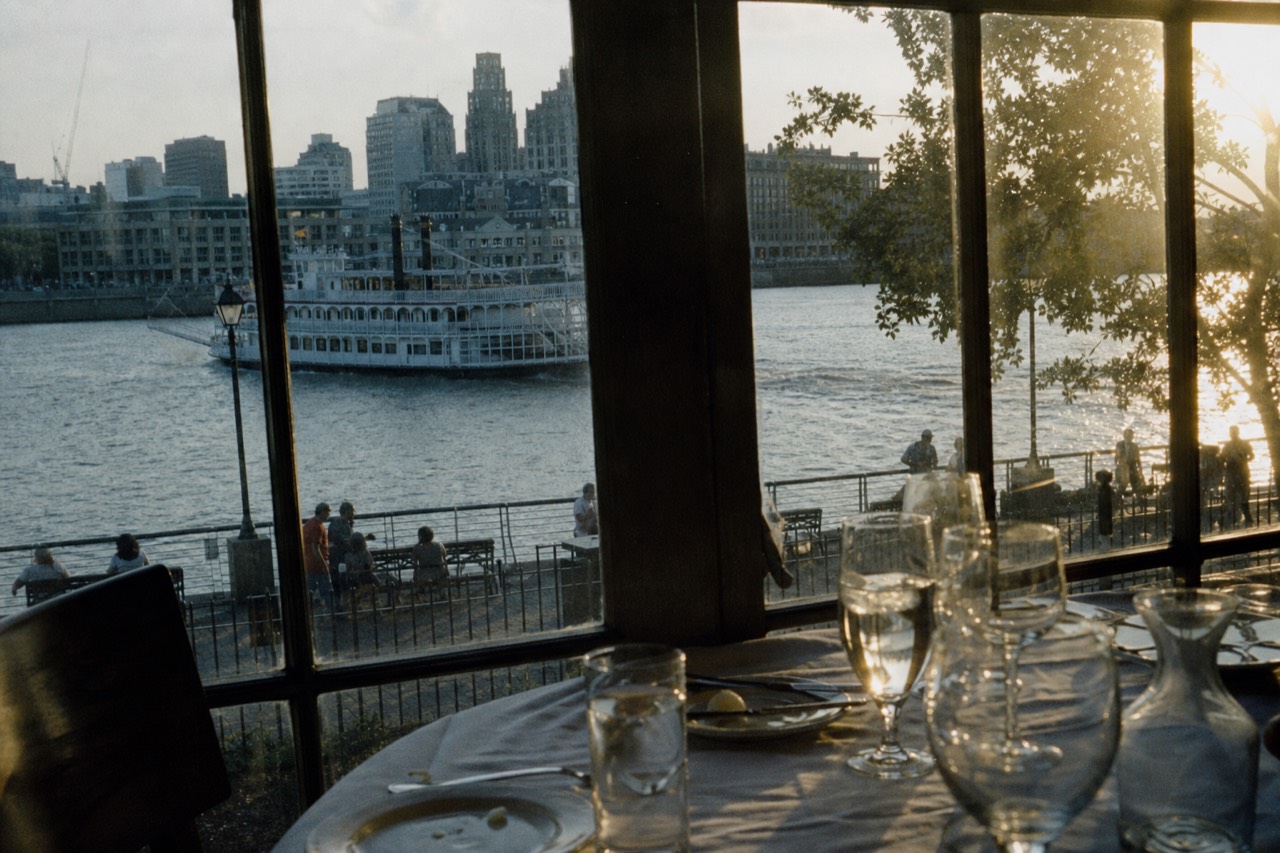
October, and November by a whisker. Those are the two months when the humidity finally lets go of New Orleans, the upper deck of a sternwheeler becomes the best seat instead of the one everybody abandons, and the light on the river turns gold by four in the afternoon. The boats run their normal daily schedule, hurricane season is winding toward its November 30 close, and holiday pricing has not arrived yet.
That answer only holds for one kind of cruise, though, and the confusion behind this question costs people real money. A two-hour sailing that leaves the Toulouse Street Wharf and comes back is a different holiday from a week aboard a multi-day river line running between cities. Their best months are not the same, and their weak points are completely different.
Which months work best for a two-hour sailing out of the French Quarter?
October and November are the strongest, with the second half of March through May close behind. December, January and February are perfectly good with a jacket and thinner crowds. June through September is hot and humid, and August is the hardest month of all: an average high of 92F, a low of 76F and 12 rain days.
| Window | What it gives you | What it costs you |
|---|---|---|
| October to November | Dry, mild, the best deck weather of the year | Halloween weekend and holiday build-up get busy |
| December to February | Quiet, clear, festive sailings | Cool to cold in the wind, Carnival spikes demand |
| March to May | Lovely weather, long light evenings | French Quarter Fest and Jazz Fest fill the city |
| June to September | Lightest crowds, July 4 fireworks on the river | Real heat, afternoon storms, hurricane season |
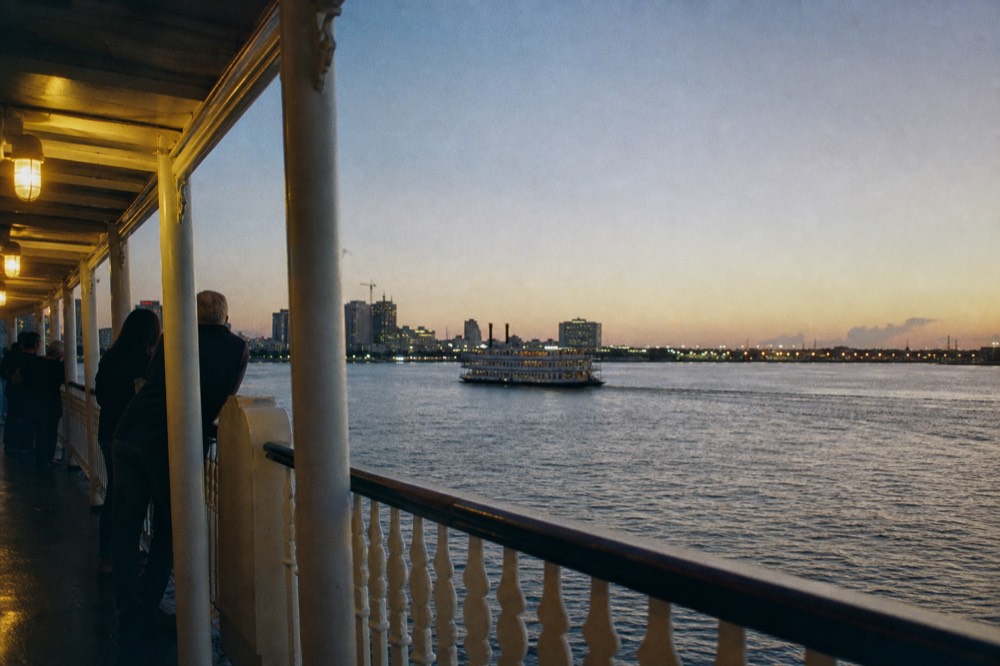
The thing to understand about New Orleans is that the discomfort here is humidity rather than raw temperature, and it arrives and leaves on a fairly predictable schedule. October is when it breaks. August alone averages a high of 92F, a low of 76F and 12 rain days, which the New Orleans weather and preparedness page sets out alongside the June to November hurricane season. Once the humidity goes, a two-hour cruise stops being a negotiation with the weather and becomes a straightforward pleasure: open deck the whole way, a breeze coming off the water, the city on one side and the working port on the other.
Time of day matters almost as much as the month, and the two interact. Between June and September the 2:30pm departure is the hardest ticket on the board and the 11:30am one is fine, so a summer trip is rescued by moving three hours earlier rather than by moving to a different month. From October onward that pressure disappears entirely and the 7:00pm sailing becomes the best of the three. The boats keep the same schedule all year: boarding at 11:00am, 2:00pm and 6:00pm for departures at 11:30am, 2:30pm and 7:00pm.
Crowds move on a different curve from weather, and that is where most planning goes wrong. Spring in New Orleans has excellent weather and enormous demand, because French Quarter Festival and the Jazz and Heritage Festival land within a three-week block. Autumn has equally good weather and noticeably less pressure on the riverfront. If you have a free choice between mid-April and mid-October, take October.
Winter deserves more credit than it gets. January and February are cool and sometimes genuinely cold when a north wind runs down the river, but the dining rooms on both boats are air-conditioned and heated, the crowds thin outside Carnival season, and a clear winter afternoon on the Mississippi is beautiful. Bring a jacket you can zip up, because the wind on the water is always sharper than the forecast for the city suggests.
What makes October and November the strongest pair?
Dry air, mild days, a full sailing schedule and the end of hurricane season on November 30. Autumn also avoids the two spring festivals that pack the riverfront, so you get spring-quality weather with meaningfully smaller crowds and no holiday premium on hotels.
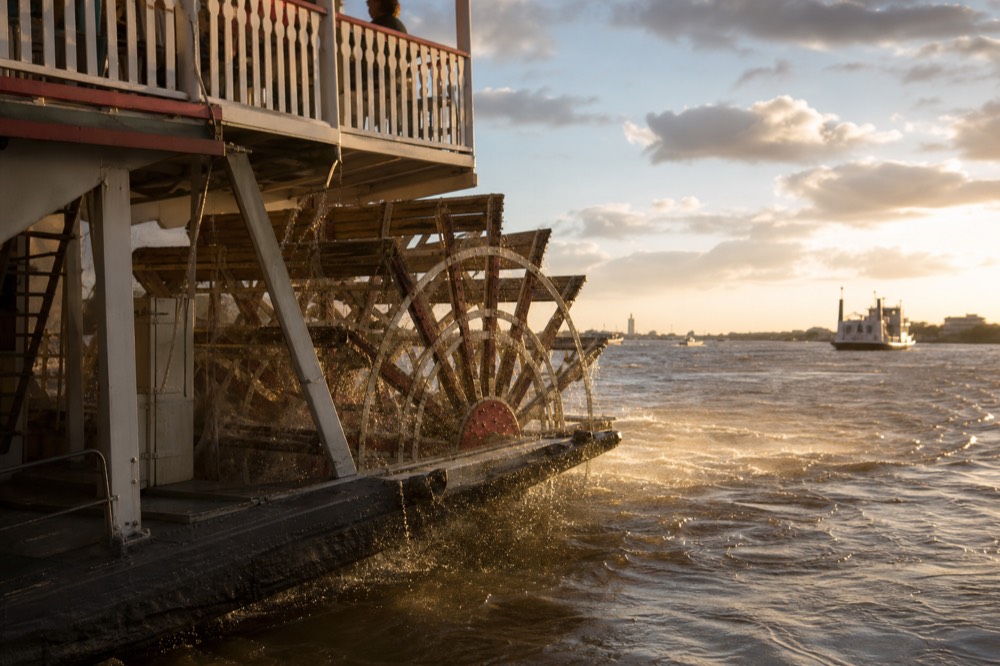
There is a practical detail that only matters in autumn: the evening sailing becomes the best ticket on the water. From October onward the 7:00pm departure is comfortable on deck for the entire two hours. You board at six with the steam calliope still going, push off as the light drops, and watch the Quarter and the business district switch their lights on from mid-river while the Grammy-nominated Dukes of Dixieland play. In July that same sailing is warm. Late October is the version I point people toward, and you can see which autumn dates are still open before you fix your travel week.
November has one specific advantage over October: it is quieter. The Halloween weekend spike passes, the holiday crowds have not yet arrived, and the weather barely changes. If your dates are flexible, the first three weeks of November are the calmest stretch of good weather in the entire year on this riverfront.
Autumn also sits inside the Fall Ya'll seasonal package window, which the operator runs from September 7 to November 15, 2026. Those packages bundle a meal with seasonal drinks and extras and sit above the standard meal-inclusive fare, so they are worth comparing rather than assuming. The full fare breakdown lays out every price, including what the buffet adds at each meal.
Winter is the month nobody names and probably should. The first half of January is one of the quietest stretches on this riverfront, because Carnival season opens on January 6 and takes weeks to build. The air is clear, the light is low and flattering, the dining rooms are heated, and you can usually buy a daytime ticket the same week you sail. December has the opposite problem and the opposite reward: busier, but with the Christmas Eve jazz cruise boarding at 6pm on December 24 and the Crescent City Countdown fireworks over the river at midnight on December 31. Those two dates are worth building a trip around if the festive version appeals.
Is spring as good as autumn?
Close, with one caveat. March through May delivers the same comfortable deck weather, but French Quarter Festival runs April 16 to 19, 2026 and Jazz Fest runs April 23 to May 3, 2026. During those weeks evening sailings sell out first and the riverfront is packed. The second half of March and the middle of May give you spring without the crush.
| 2026 date | Event | Effect on sailings |
|---|---|---|
| February 17 | Mardi Gras, Fat Tuesday | Peak demand across the city |
| April 16 to 19 | French Quarter Festival | Riverfront packed, daytime sailings hold longest |
| April 23 to May 3 | Jazz and Heritage Festival | Two weekends, evening cruises go first |
| July 4, 9pm | Go 4th on the River dueling barges | Fireworks over the river, book far ahead |
| December 31 | Crescent City Countdown | Midnight fireworks, special-event sailing |
Festival weeks change the shape of a day on the water in a way that is not all bad. The daytime cruises hold availability longest, because they carry the most seats and the festival crowd is ashore watching bands. A 2:30pm sailing during French Quarter Festival is often the calmest ninety minutes of an otherwise very loud day, and the view of a packed levee from mid-river is a genuinely good reason to be out there.
Two dates are worth planning a whole trip around. The Go 4th on the River dueling barges display fires at 9pm on July 4, and the boats on the water are the best seat in the city for it. The Crescent City Countdown does the same at midnight on December 31. Both sell as special-event sailings and both go long before the day. For anything else, reservations are only recommended for the dinner jazz cruise, Sunday brunch and holiday sailings, so a weekday cruise in a quiet month can usually be bought close to departure.
Why do the multi-day lines answer this question differently?
Because they depend on the river itself. A week-long line needs working landings in small towns along the Lower Mississippi, and when the water drops those landings become unreachable, so routes change and stops are cut. The two-hour excursion boats leave from permanent city wharves in the middle of New Orleans and are unaffected.
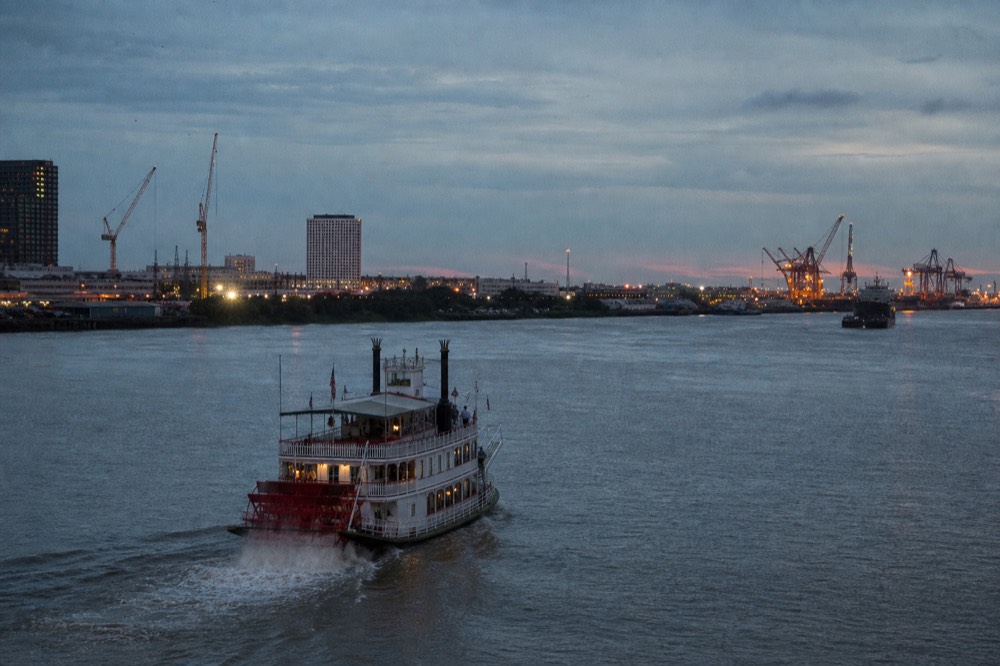
One thing genuinely improves the odds for 2026: NOAA forecast a below-normal Atlantic hurricane season, largely because of expected El Nino influence, which takes some of the sting out of a September or October booking.
The numbers make the split obvious. Low water has pushed several multi-day lines into itinerary changes through 2026, while the sternwheelers working the French Quarter carried on as normal from the Toulouse Street Wharf, the wharf at 101 St Louis Street and the Spanish Plaza dock at 1 Poydras Street. All three are permanent deep-water infrastructure in one of the busiest port stretches in the world. The gauge at Carrollton read 2.98 feet on August 19, 2026, well under a typical January of 6 to 7 feet, and none of the two-hour sailings missed a departure over it.
So if you are choosing a month for a multi-day line, you are weighing water levels, shore-stop reliability and a booking window measured in months. If you are choosing a month for a sailing out of the Quarter, you are weighing heat, rain and festival crowds, and you can often buy the ticket the same week. Different questions with the same keyword, which is why search results for this one are such a mess. The month by month scorecard covers the short sailings in full detail.
One more thing shifts the answer: what you actually want to do once you are aboard. If the draw is the Chalmette shore hour on the Creole Queen's history sailing, aim for October through April, because that hour is spent outdoors on open battlefield ground with a National Park Service ranger and the visitor facilities there are limited. If the draw is the evening jazz and the skyline, autumn and spring are equally strong. If the draw is simply putting children on a paddlewheeler for an hour without anyone melting, take a summer morning and the shortest ticket on the board.
There is a useful middle case. I meet them most weeks: visitors who arrive a day or two before boarding a long river line and want a taste of the water first. A $43.50 daytime jazz cruise or a $47.00 history sailing down to Chalmette Battlefield fills that afternoon well and leaves a short walk from the French Quarter hotels rather than out at a port terminal. If a walk on solid ground appeals, you can check the battlefield sailing dates and see what the shore hour includes. The daytime sailings page lists everything that leaves in the afternoon, and the rain question answers the one worry that stops people booking in summer at all.